During 2025, the ALICA Foundation implemented the project “Strengthening the capacity of civil society organizations and other local actors for better conservation and use of plant genetic resources in Bosnia and Herzegovina”. The project was financed by FAO – the Food and Agriculture Organization of the United Nations, with the support of the Ministry of Agriculture, Forestry and Water Management of the Republic of Srpska.
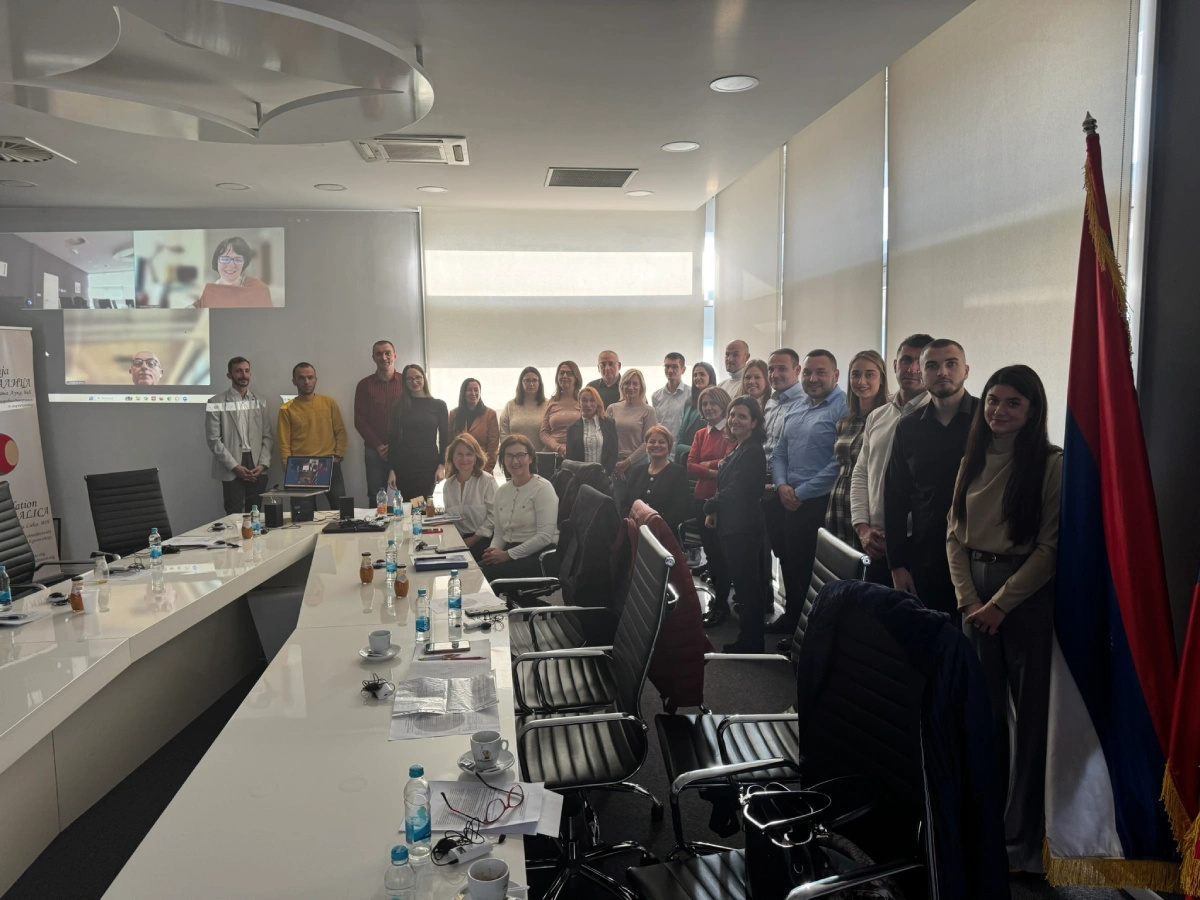
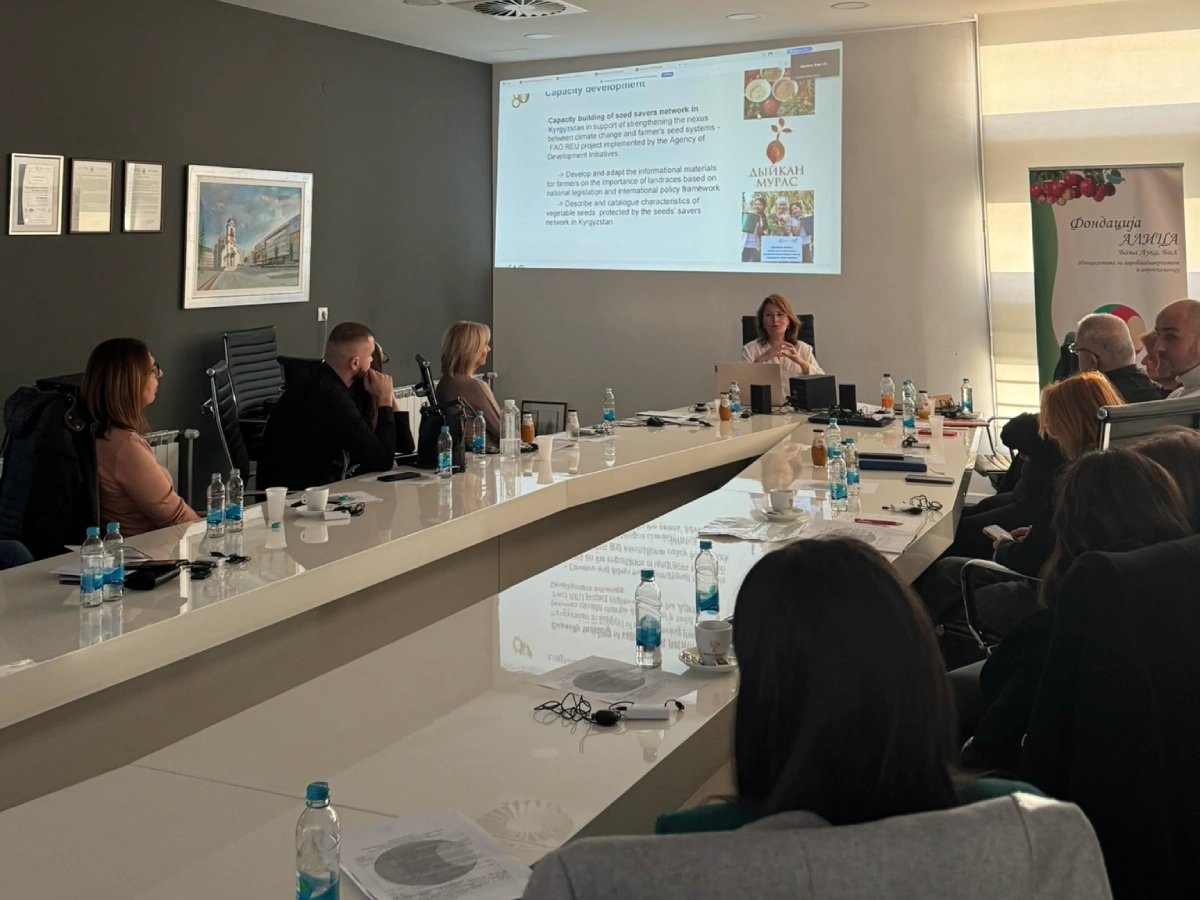
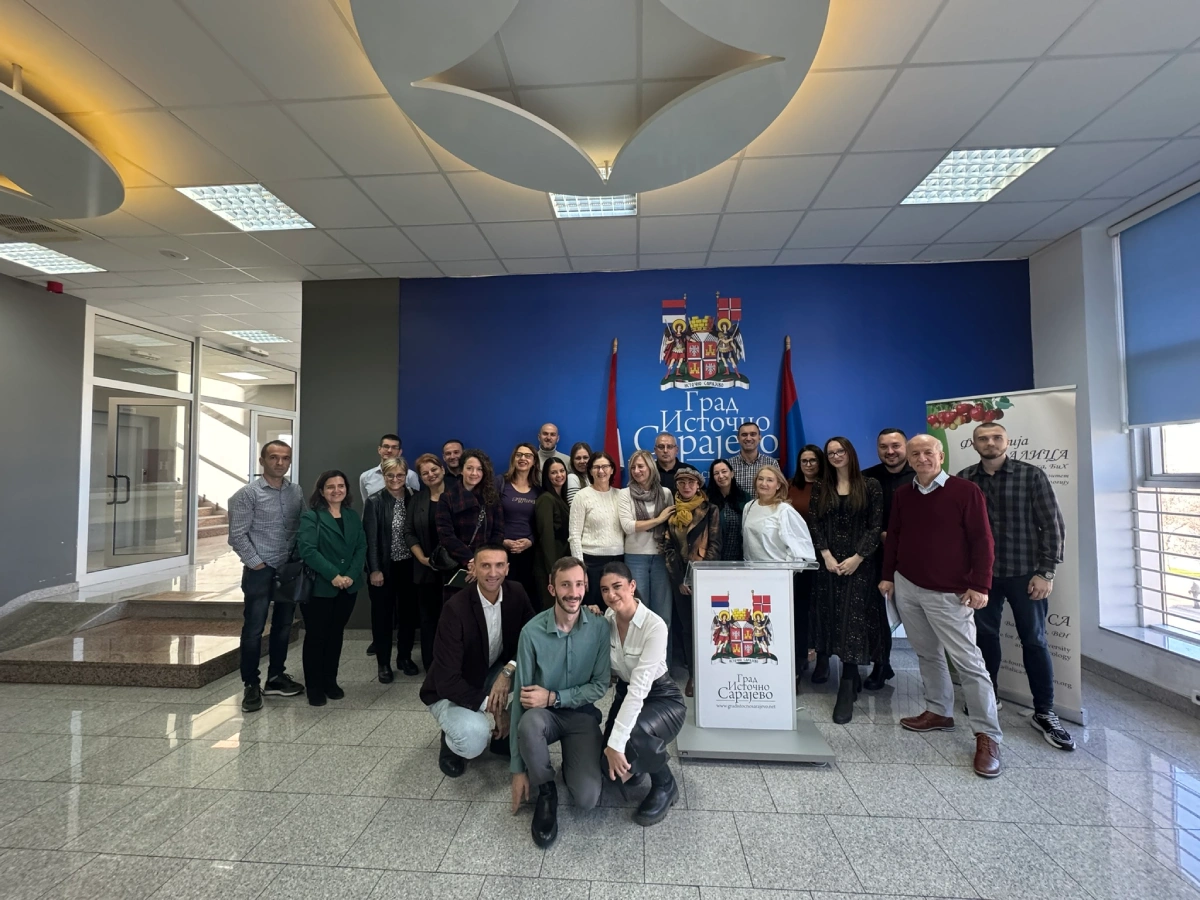
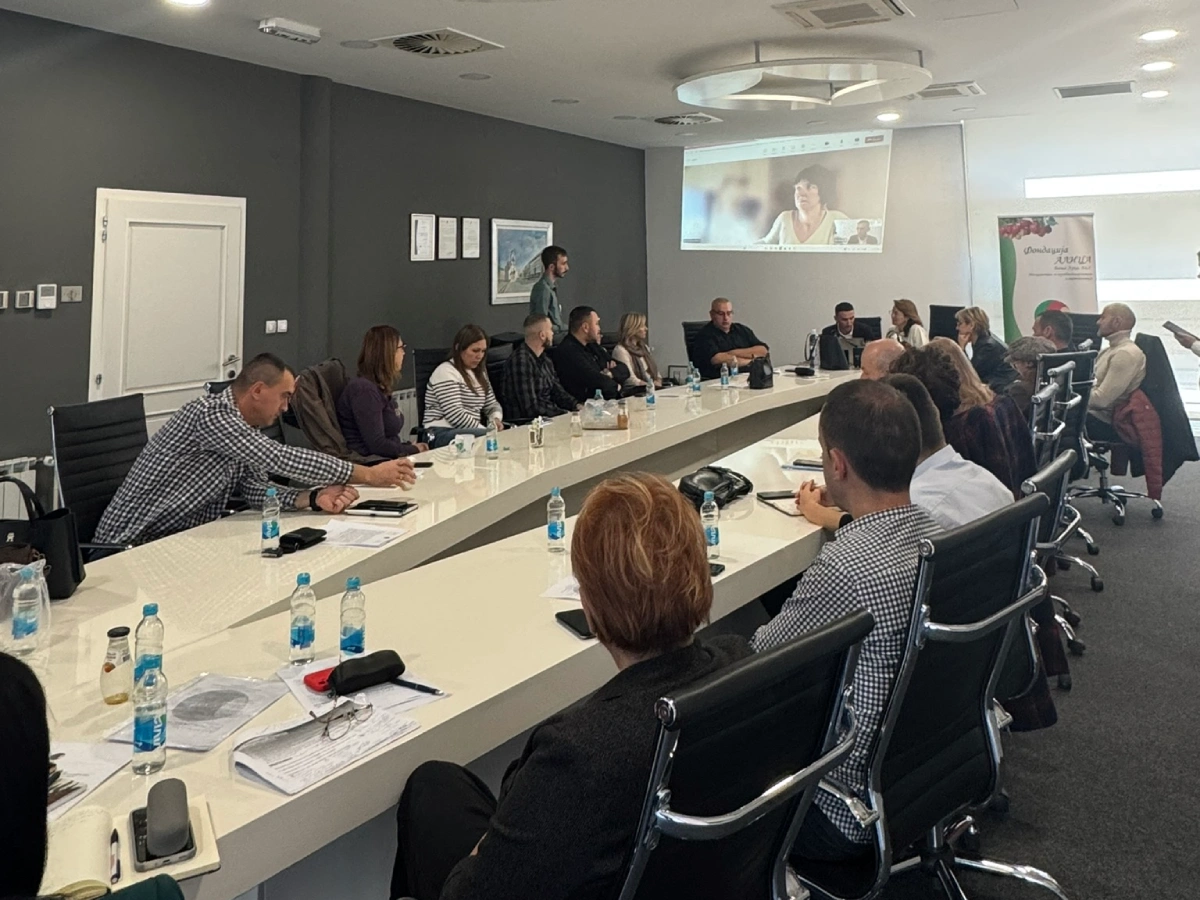
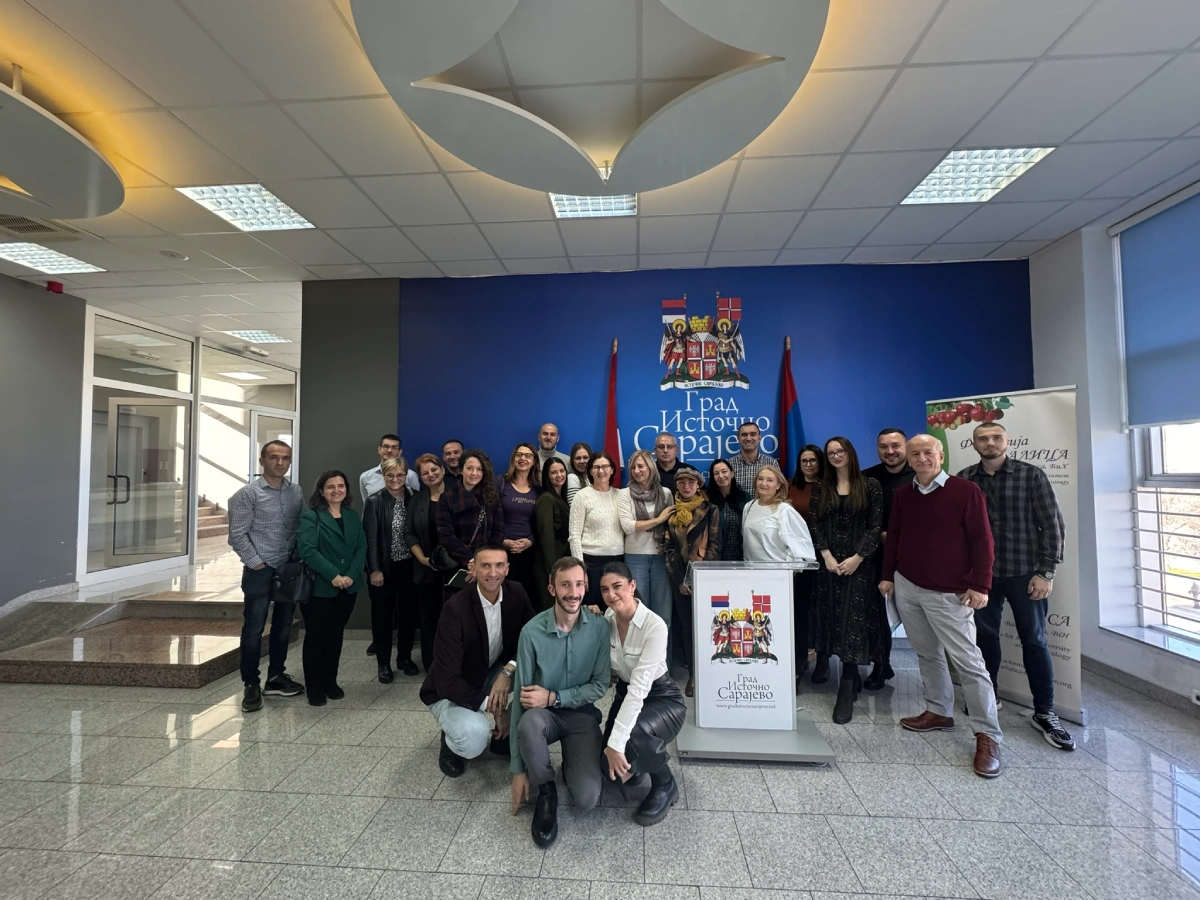
The final workshop was held on November 13 and 14 in East Sarajevo (city assembly hall). The goal of the final workshop was to present the achieved results and adopt proposals for a roadmap and platform for agrobiodiversity in Bosnia and Herzegovina.
Key Project Activities
Project activities focused on mapping the main stakeholders and examples of good practice in the conservation and sustainable use of plant genetic resources through regional workshops, surveys, collection of available data from the literature and other sources, training, definition of the work plan and validation of the achieved results.
- Survey and mapping: A survey of key stakeholders (including farmers, researchers, cooperatives, nurseries and seed producers, decision makers and the media) was conducted. A mapping of 40 best practices of sustainable use of plant genetic resources in BiH was carried out.
- Workshops and trainings: Six live workshops and trainings were organized with all relevant actors for plant genetic resources (PGR), on the topic of farmers' rights and the access and benefit-sharing (ABS) mechanisms (ITPGRFA, Nagoya Protocol and UNDROP implementation).
- Defining the plan and the platform: The plan for future work and the participatory process of designing the platform were defined.
- Final meeting: A final meeting of all parties (workshop) was held to confirm the work plan and resolve critical issues.
Main findings and results
The main findings from the surveys indicate:
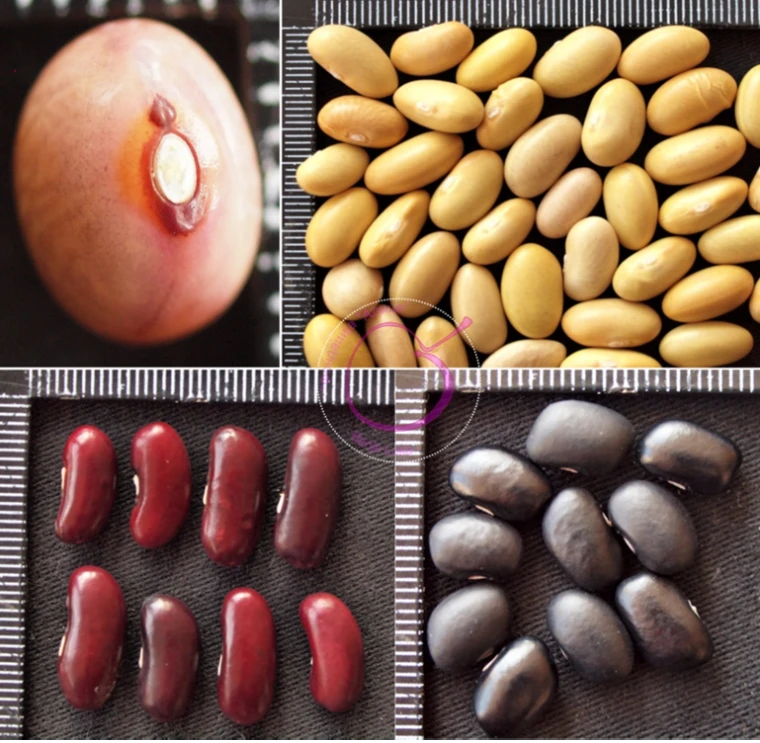
- Existence of valuable collections: Farmers, cooperatives and nurseries grow and own valuable collections of old varieties (e.g. ‘Lubeničarka’, ‘Karamut’, ‘Jeribasma’), but without a unified database or institutional support.
- Willingness of researchers: Researchers from institutions expressed readiness for collaboration and networking.
- Lack of systemic support: Decision makers recognized insufficient systemic support, weak coordination and marginalization of indigenous varieties.
- Main problems: Key problems identified include the absence of linked records, fragmented cooperation, poor education, inconsistent legal framework and lack of a clear strategy.
Vision and roadmap conclusion
The project's Route Map aims to achieve the following vision:
- Vision: In Bosnia and Herzegovina, there is a functional system for the preservation, exchange and valorization of PGR through sustainable cooperation between science, practice and policy, supported by the ALICA Foundation’s digital platform.
- Goal: Establish a virtual platform for plant genetic resources (e-PGR in BiH) that connects all relevant actors, enables information exchange and contributes to the preservation and commercialization of autochthonous varieties.
The surveys show broad readiness for cooperation and a recognized need for unifying information. The Road Map (five phases planned until 2030) provides a framework for the systematic development of a platform that ensures data transparency, connects science, practice and policy, and strengthens the identity and competitiveness of agriculture in BiH by valorizing its genetic resources.